Overlap
Study guideReading the Bible
The Father and the Son were on the same side of the cross
By the end of this guide you will be able to say, in your own words and with your Bible open, what Jesus did for you, using the pictures the apostles and the earliest Christians actually used, and you will see why the Father who sent him can be loved without a flinch.
By Tim Barber·
Photo by Uday Nakade on Unsplash
A study companion to the 2-part series
Watch each part first if you can, then read with your Bible open.
Start here
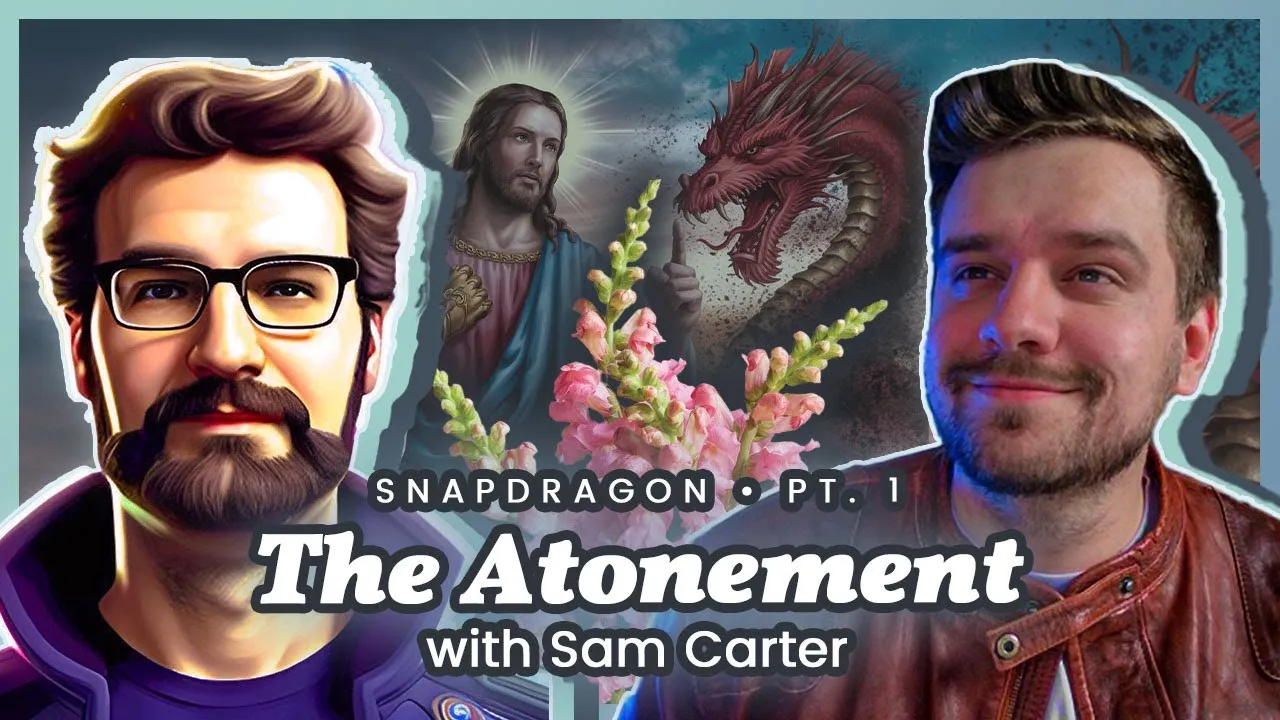
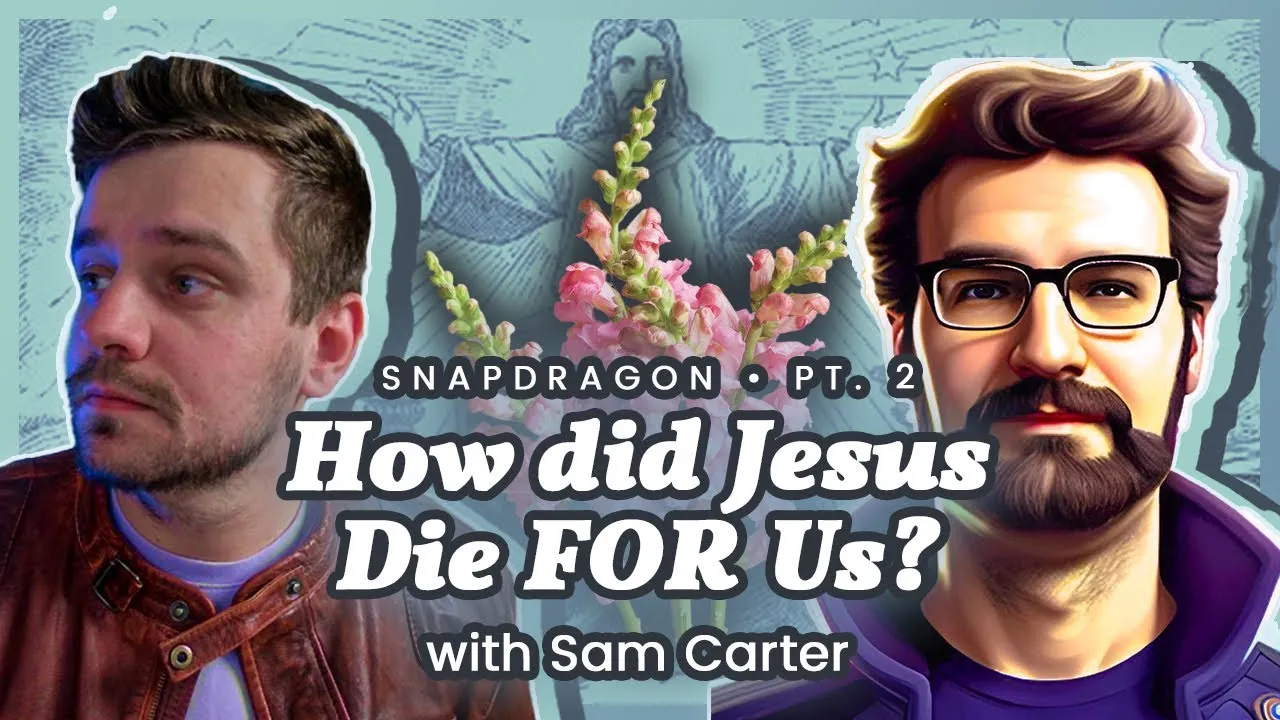
This is the study companion to a two-part conversation I had with my friend Sam Carter. Watch them in this order: first "What do SNAPDRAGONS have to do with Jesus? (on the Atonement with Sam Carter)", then "Exploring the HEART of Atonement: Beyond Penal Substitution". They are one conversation published in two halves, so this is one guide. The first video lays out ten pictures of what Jesus did, held together by Sam's Snapdragon acrostic. The second asks what a sacrifice was for in the first place, and then measures the most popular modern explanation of the cross against what we found.
Sam is a brother who reached out to me after my debate with James White in August 2024. He is a friend and an independent researcher, a man who spent about two years reading what Christians of the first four centuries said about the cross, and then built a tool to hold what he found. Where the teaching below is his, I credit him by name. Where it is mine, it is mine. Where we differ, you will see it on the page.
Who this is for: the person who was handed "Jesus took the punishment you deserved so that God could forgive you" as the whole gospel, and who has noticed, maybe only in private, that the Father in that sentence is hard to love. Sam said it out loud on camera. He never struggled to love Jesus. For a stretch of years he struggled to love the Father, and the picture he had absorbed was the reason. If you have felt that and never told anyone, this guide is for you. We will name it once, right here, and then spend the rest of our time on what the text actually says, because the text is far kinder than that sentence.
How to use it. Watch both videos. Then open your Bible and read "The teaching" straight through, because it carries the whole argument on its own. After that, work "The passages" slowly with a pen, checking every quotation against your own Bible. Save "Questions to sit with" for last, and answer them on paper.
One thing before we start. Being right about the mechanics of the atonement does not save anyone. Faith in Christ saves you. I have friends all over the map on this, people who hold penal substitution firmly and love the Lord and love their neighbors, and I will be hugging some of them this week and meaning it. Sam and I push hard in these videos, and I want you to push back wherever the text pushes back. Hold it loosely enough to stay family with everyone who reads it differently.
It matters because of the moment I opened Part 1 with. You tell someone that Jesus died for their sins, and they look at you and ask, "What does that mean?" Whatever comes out of your mouth next is what you think the gospel is. There is almost nothing more worth getting clear and precise about, and, as it turns out, almost nothing more beautiful.
Up next
Now to the passages themselves. Read each one slowly, in full, with your Bible open beside you.
Unlock the full guide
Get the whole study guide
Seven more sections: the teaching, key terms, the glossary, every passage in full, questions to sit with, where to go deeper, and a PDF you can print.
The next step is a conversation. Bring what you wrote to the community, or go back to the videos.