Overlap
Study guideReading the Bible
Words are the most dangerous thing in the world: learning to hear what your Bible actually says
By the end of this guide you will be able to spot how a single word choice can shape what you believe about God and about yourself, trace two places in history where that happened to the Bible, and use three free tools to hear what the biblical authors actually meant.
By Tim Barber·
Photo by Grianghraf on Unsplash
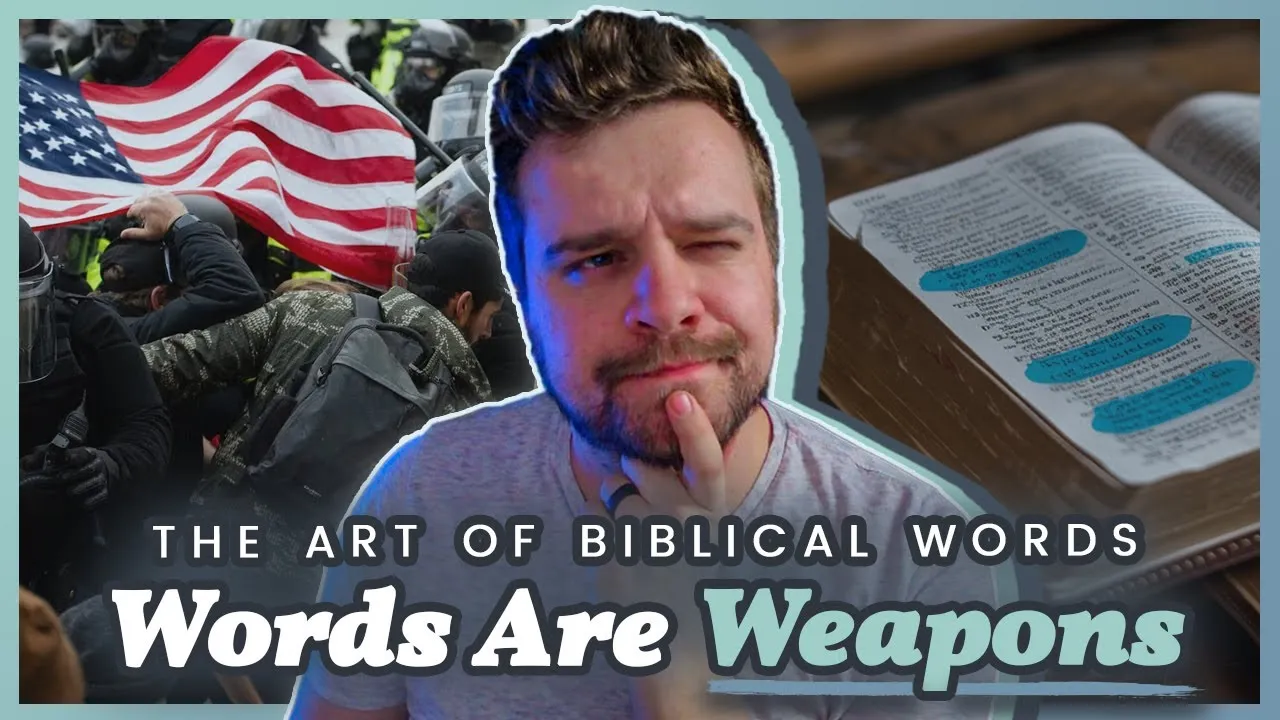
A study companion to the video
Words Are the Most Dangerous Thing in the World: Here's Why
Watch it first if you can, then read with your Bible open.
Start here
This is the study companion to the video "The Art & Science of Biblical Words" and to the blog post "Words Are the Most Dangerous Thing in the World: Here's Why." I wrote it with two readers in mind, and you may be both of them. The first was told somewhere along the way that deep down they are a sinful nature, born guilty of something a man did at the dawn of history. The second felt the floor tilt a little on learning that the English Bible on their nightstand was shaped by translators' choices, and has wondered ever since whether they can trust what they read. If either one is you, this guide is here to steady you, and it ends with tools in your hands.
Here is how to use it. Watch the video first if you can. Then open your Bible, two translations side by side if you have them, and read "The teaching" straight through, because it carries the whole argument on its own. After that, work through "The passages" slowly with a pen, checking every quotation against your own Bible. Save "Questions to sit with" for last, and answer them on paper, where you can see what you actually think.
Before we start, let me lower the stakes. Faith in Christ saves, whatever a person concludes about Romans 5:12. I have friends all over the map on original sin and on Bible translations who love the Lord and love others. So hold this study with an open hand. Let the text convince you if it convinces you, and stay kind toward everyone who reads it differently.
It is fair to wonder why a Greek preposition and a phrase in a footnote deserve this much of your attention. My answer is that the words you were handed for God and for yourself are doing work in you every day, whether you have examined them or not, and I would much rather you examine them with a Bible open than carry them around in the dark. I can also tell you where this road ends. The more carefully I have listened to what the biblical authors actually wrote, the more my trust in the Bible has grown.
Up next
Now to the passages themselves. Read each one slowly, in full, with your Bible open beside you.
Unlock the full guide
Get the whole study guide
Seven more sections: the teaching, key terms, the glossary, every passage in full, questions to sit with, where to go deeper, and a PDF you can print.
The next step is a conversation. Bring what you wrote to the community, or go back to the video.