Overlap
Study guideReading the Bible
The atonement is bigger, and more beautiful, than the diagram you were handed
By the end of this guide you will be able to open Leviticus 16 and Exodus 12 next to the Gospels and see for yourself the two separate things the cross does, why it took a lamb and two goats to picture them, and why the Father behind all of it was the one who did the sending.
By Tim Barber·
Photo by Sean Sinclair on Unsplash
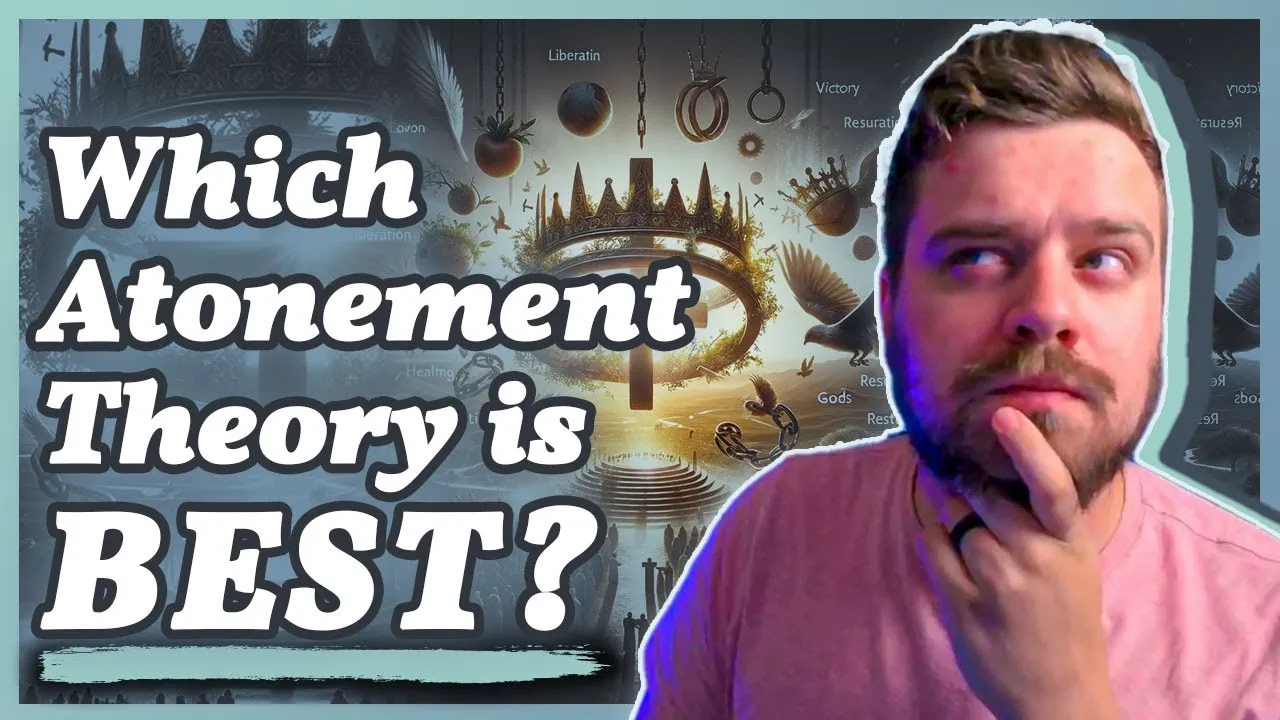
A study companion to the video
“The Atonement” is MUCH more complicated (and beautiful) than you thought.
Watch it first if you can, then read with your Bible open.
Start here
This is the study companion to the video "'The Atonement' is MUCH more complicated (and beautiful) than you thought." It is for the person who has heard the gospel explained a hundred times and still, somewhere underneath, hears it as a story about a Father who needed someone to bleed before he could stand to look at you. Maybe you never said that out loud. Maybe you felt yourself flinch at a worship lyric or a Good Friday sermon and decided the flinch was your problem. I want you to know the flinch was telling you something true, and that the Bible has a far better story to hand you than the one that made you flinch.
Here is how to use this. Watch the video first if you can. Then get a Bible, ideally two (a King James and anything modern will do), and keep them open beside you. Read "The teaching" straight through in one sitting, because it carries the whole argument on its own. After that, slow down. Work "The passages" with a pen, and check every quotation against your own translation, because several of the most important things in this study are things you can see in plain English without knowing a word of Hebrew. Save "Questions to sit with" for last, and answer them on paper.
One thing before we go anywhere. Being right about how the cross works does not save anyone. Faith in Christ saves you. I have friends all over the map on this, people who love Jesus and love their neighbors and would argue with half of what follows, and I would not divide from a single one of them over it. So hold this loosely in one hand and your Bible firmly in the other. Let the text convince you if it convinces you, and stay generous toward everyone who reads it differently.
This matters because the picture of God you carry is the most important thing about you, and this subject is where a lot of Christians picked up a picture that is subtly wrong. Sorry: a picture that is plainly wrong. If the cross is where an angry Father finally got his punishment poured out on somebody, you will spend your life trying to stay on the right side of that Father. If the cross is where a loving Father, a willing Son, and the Spirit together made a way for you to come near, carried your sin off to where it belongs, and passed over you when death came through, you will spend your life coming near. Same cross. Two very different lives.
Up next
Now to the passages themselves. Read each one slowly, in full, with your Bible open beside you.
Unlock the full guide
Get the whole study guide
Seven more sections: the teaching, key terms, the glossary, every passage in full, questions to sit with, where to go deeper, and a PDF you can print.
The next step is a conversation. Bring what you wrote to the community, or go back to the video.