Overlap
Study guideOpen Theism & God's Nature
Four views on God and the future, and the one that lets the Bible say what it says
By the end of this guide you will be able to name the four ways Christians square God's knowledge of the future with your freedom, test each one against the same handful of passages, and see why a God who knows possibilities as possibilities is the only one who can be both fully in charge and innocent of the evil in the world.
By Tim Barber·
Photo by Shai Pal on Unsplash
A study companion to the video
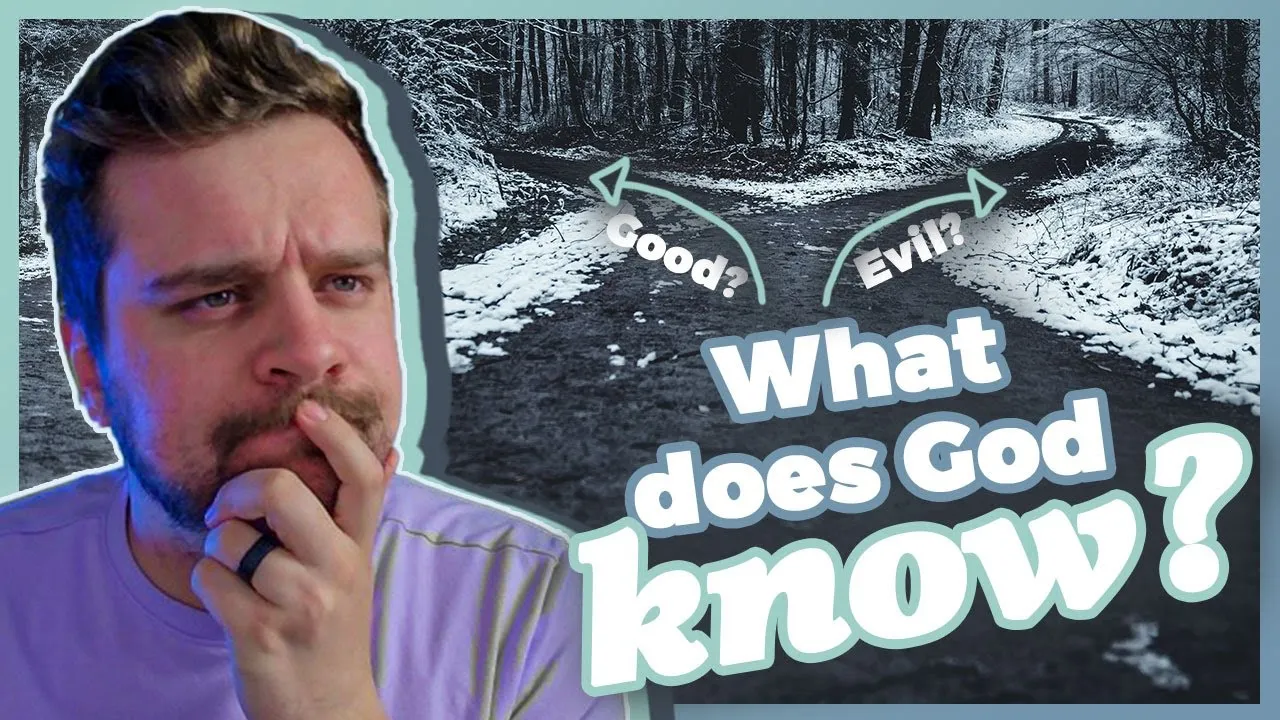
FOUR Views on God’s Providence & the Future – Bible SHOWDOWN
Watch it first if you can, then read with your Bible open.
Start here
This is a companion to the video "FOUR Views on God's Providence & the Future - Bible SHOWDOWN." It is for the person who followed the logic of what they were taught about God's control all the way down and could not live with the God waiting at the bottom. It is also for the person who was handed "God is in control" at a graveside and found that it made everything worse. If either of those is you, this guide was written with you in the room.
Here is how to use it. Watch the video first if you can. Then open your Bible and keep it open beside you, because I am going to ask you to check every claim against the page. Read "The teaching" straight through; it carries the whole argument on its own. Then work "The passages" slowly, with a pen, reading each one in its own chapter and not only the verses I quote. Save "Questions to sit with" for last, and answer them on paper.
One thing before we go anywhere. Being right about this does not save anyone. Faith in Christ saves you, and you can be right about everything but Jesus and it will not do you any good. I have friends all over the map on this question who love the Lord and love people well, and none of us is kicking anyone out of the kingdom. So hold this study with an open hand. Let the text convince you if the text convinces you, and stay generous toward the people who read it differently. What I am after is the most consistent way to read the whole Bible, the way that lets settled things be settled and open things be open without forcing every verse through one door.
It matters for a practical reason. What you believe about God and the future decides what you do with the worst day of your life. If God scripted that day, or saw it coming from eternity and chose to do nothing, then "God is good" becomes a sentence you say with your teeth clenched. If the future is genuinely open where your choices live, and God is at war with the evil in it, then you can grieve without accusing him, and you can pray like it matters, because it does.
Up next
Now to the passages themselves. Read each one slowly, in full, with your Bible open beside you.
Unlock the full guide
Get the whole study guide
Seven more sections: the teaching, key terms, the glossary, every passage in full, questions to sit with, where to go deeper, and a PDF you can print.
The next step is a conversation. Bring what you wrote to the community, or go back to the video.